North America (Mexico)
EnforcementPharmaceutical residue detected in meat from municipal slaughterhouse
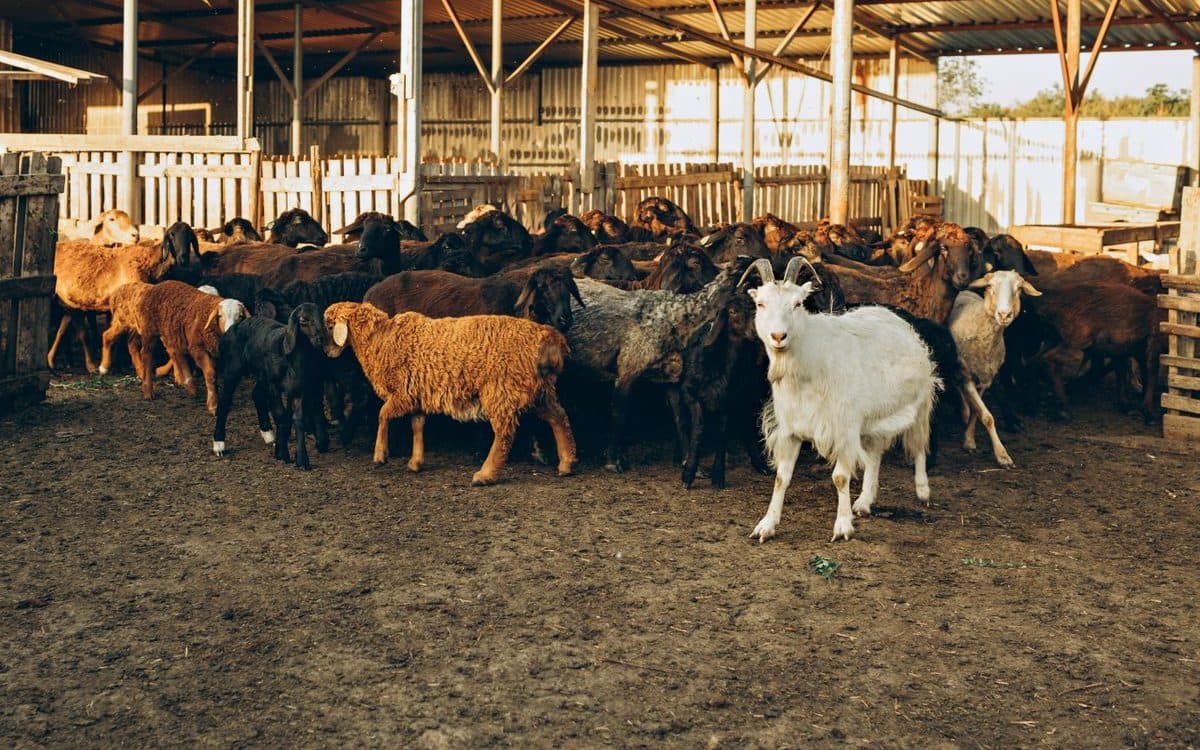
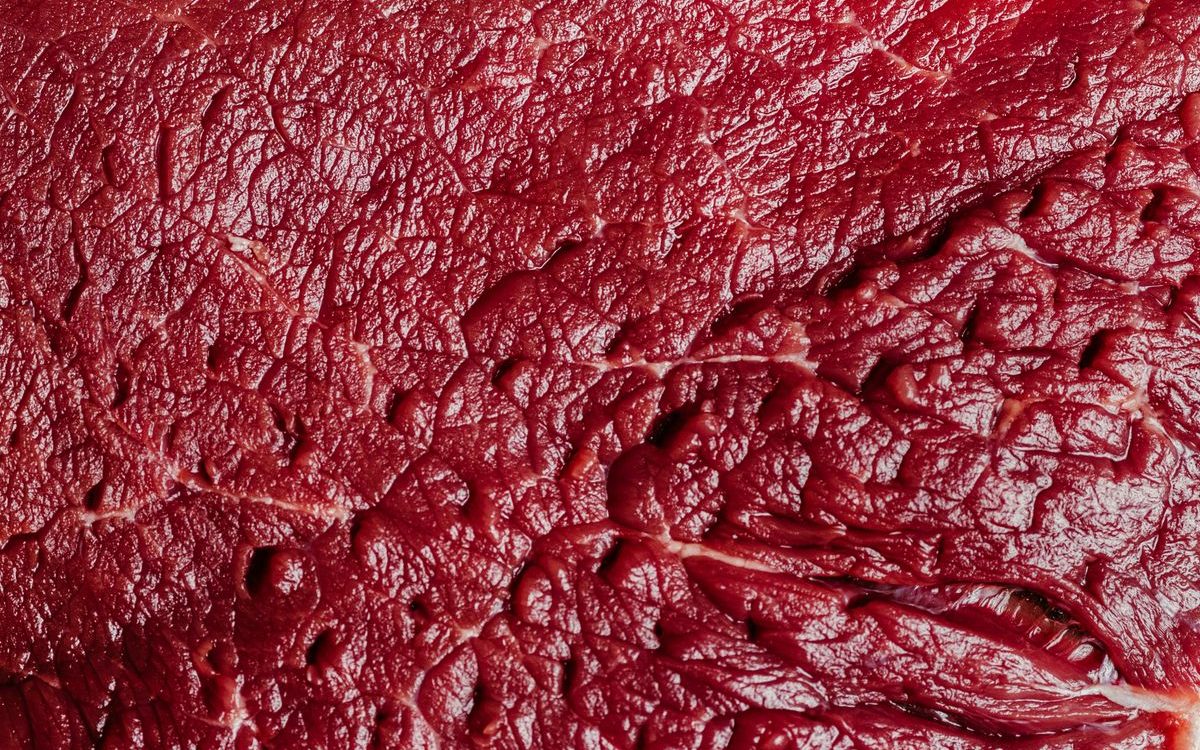
Authorities detected, in a confirmed positive sampling on June 3, 2026, the presence of pharmaceutical residue in meat from a municipal slaughterhouse in Fresnillo, Zacatecas, already commercialized at the time of discovery. The case adds to a previous finding in the same area in March, and authorities opened an administrative process against the establishment while investigating jointly with agricultural authorities the origin of the animal that entered with the drug residue.
The pharmaceutical compound is a beta-adrenergic agonist of veterinary use prohibited in cattle fattening destined for human consumption in Mexico, used illegally for its effect of increasing muscle mass and reducing animal fat. Unlike a microbial pathogen, the risk is of pharmacological type: its consumption in contaminated meat can cause tachycardia, tremors and hypertensive crises. The fact that the finding is repeated in the same locality within months suggests a sustained illegal fattening practice in the supply area of that slaughterhouse.
For food safety, the case recalls that food safety spans risk categories that exceed microbiological detection—residues of veterinary drugs, in this case—and that monitoring of a slaughterhouse must combine surveillance of zoonotic pathogens with specific chemical controls on the handling history of incoming livestock.
You might be interested