Europe (Belgium)
EnforcementAFSCA Warns that Illegal Importation of Sheep and Goats Endangers Belgian Livestock
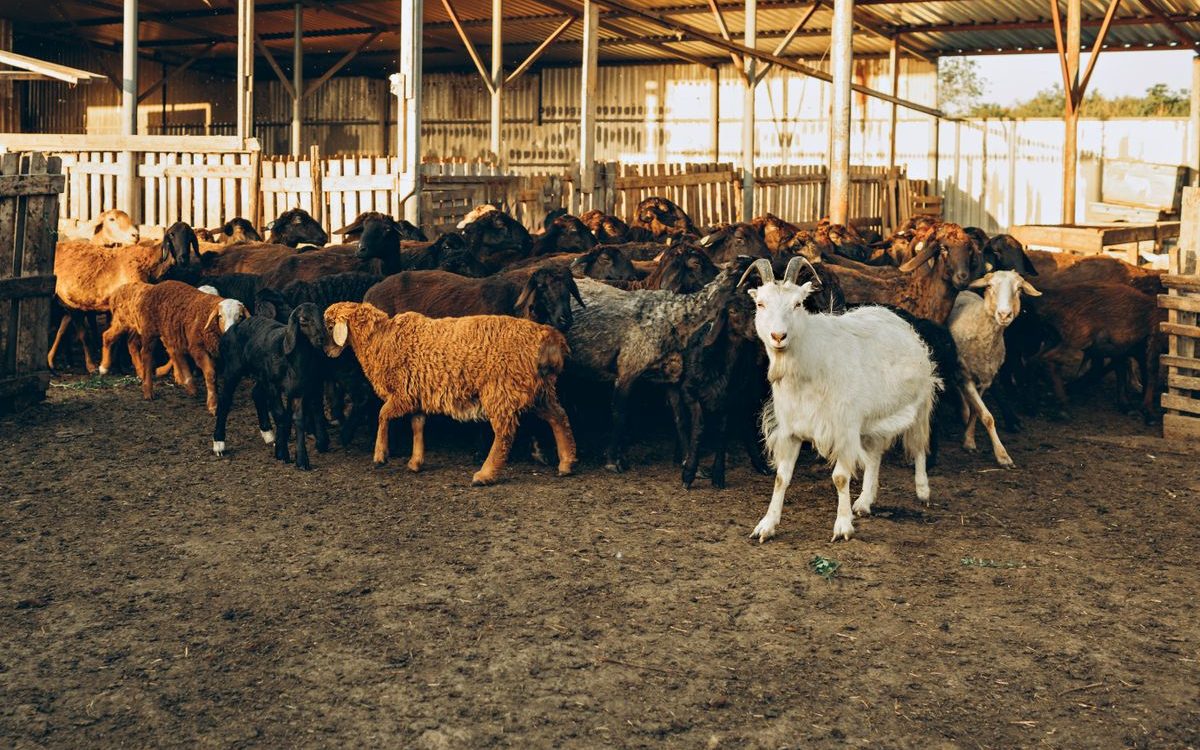
The AFSCA issued an alert directed to breeders and veterinarians about the illegal importation of sheep and goats into Belgium without the health certificate signed by an official veterinarian from the country of origin, a mandatory requirement for the legal entry of these animals. The warning occurs in a specific epidemiological context: sheep and goat pox is present in Bulgaria and Greece, small ruminant plague circulates in Hungary, Romania, Bulgaria and Greece, and foot-and-mouth disease was identified during 2025 in Germany and Hungary. The authority also recalled that some countries of origin are not free of brucellosis or tuberculosis, two diseases that can also infect humans.
An importation without veterinary control is not just an administrative problem: it is the pathway through which an animal disease circulating in a neighboring country can be introduced into the Belgian livestock herd without any prior health record that would allow tracing the animal's origin if symptoms appear later. Unlike a foodborne pathogen detected in an already processed product, an animal disease introduced this way can spread silently among herds before the first clinical case is identified.
For TAAG, this type of alert belongs to the realm of border animal health and not to the microbiological food safety that the company's catalog covers —brucellosis and zoonotic tuberculosis are monitored by serological methods, not by the food pathogen assays in the catalog— but it confirms a shared principle: documentary traceability of origin is, both in animal health and food safety, the first control barrier, and its absence leaves any subsequent surveillance system acting already too late.
You might be interested