
Salmonella in shrimp,
get results in hours.
Frozen raw and frozen cooked shrimp at 120 ppm of sodium metabisulfite, validated against ISO 6579-1:2017/Amd 1:2020.
From the 25 g portion to the published result
Enrichment, with no neutralising agent
Per 25 g test portion Limit of detection
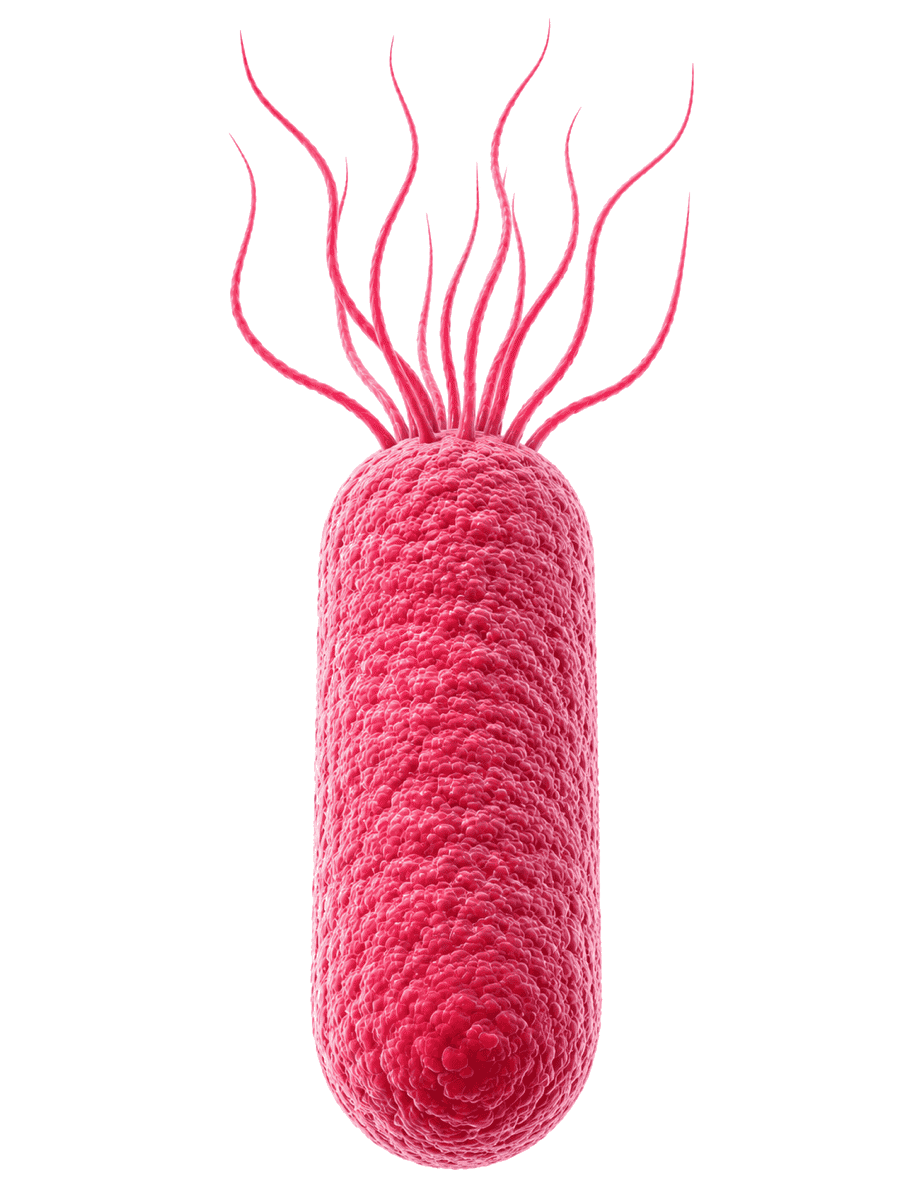
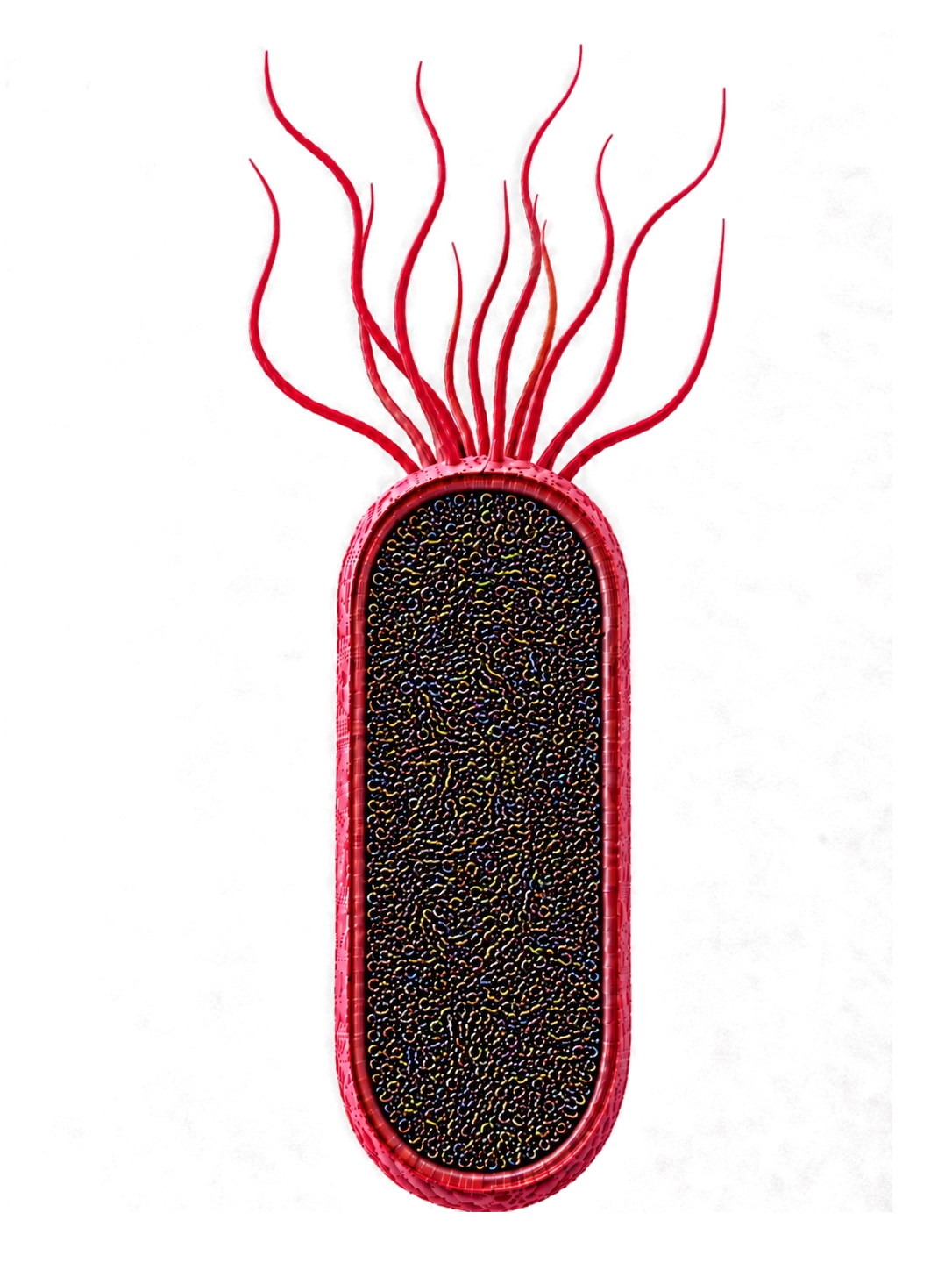
Detected from roughly one cell per 25 g test portion.
Look inside — the RNA is what Elevia 1.1 reads.
01 · The two matrices
Raw and cooked,
both at 120 ppm of metabisulfite.
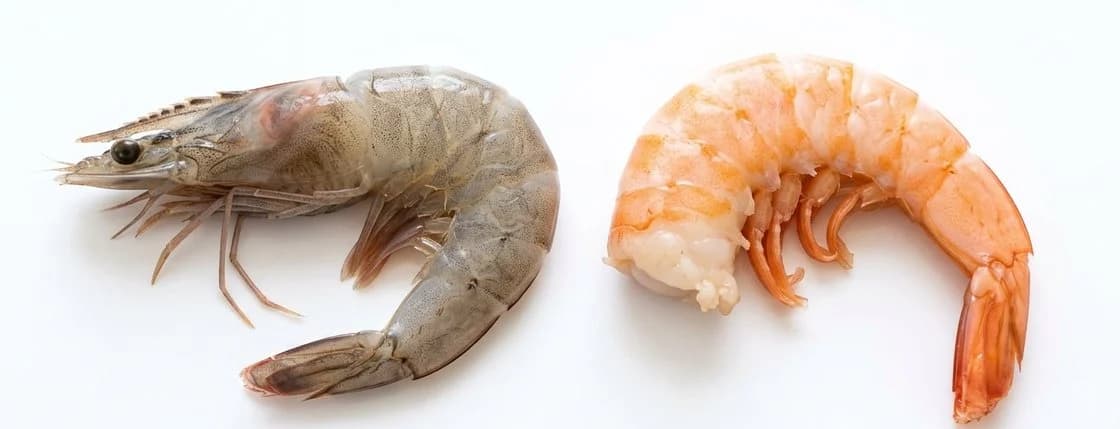
Two matrices: frozen raw shrimp and frozen cooked shrimp, both carrying sodium metabisulfite (E-223) at 120 ppm — the preservative that makes this matrix hard, because it is the first thing that could suppress recovery once the enrichment is shortened. TAAG ran an AOAC-type validation on both, following ISO 16140-4 and comparing against ISO 6579-1:2017/Amd 1:2020. Both TAAG routes matched the reference, metabisulfite included.
02 · Workflow
Four stages,
one working shift.
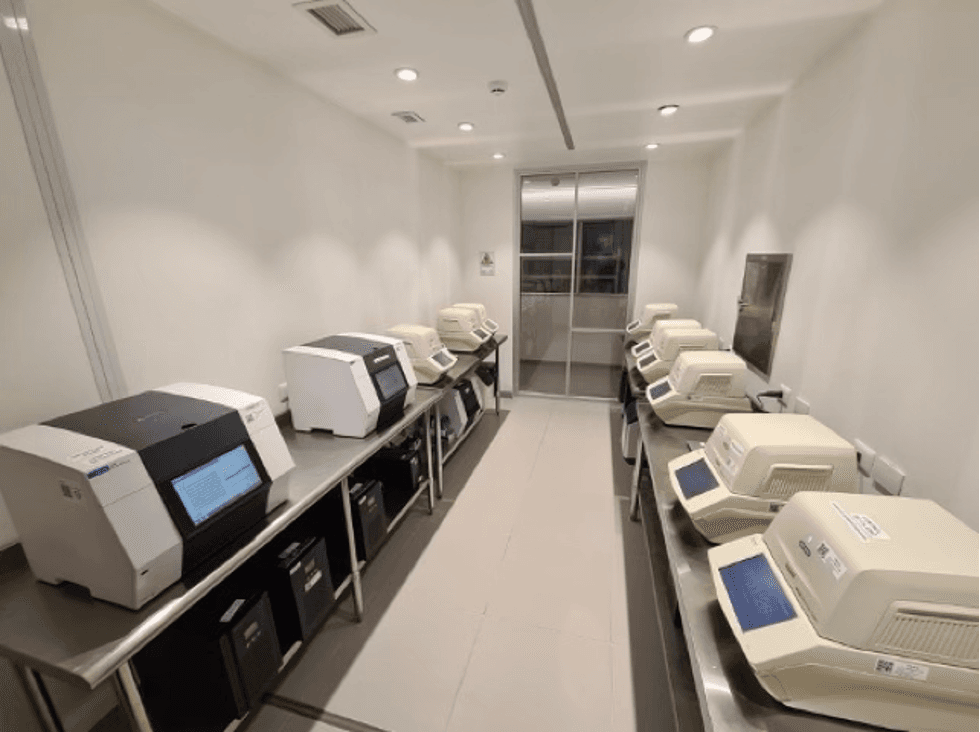
The same protocol for both matrices, with no neutralising agent and no proprietary instrument: an 8 h enrichment, extraction, RT-qPCR on a standard real-time thermocycler and the read-out on TxA.
Workflow · frozen shrimp, raw or cooked
25 g test portion · validated at 120 ppm of sodium metabisulfite
Enrichment
8 h
225 mL Augmentis 91 BPW (V-FP25) or BPW ISO, preheated to 45 °C, homogenised, then 37 ± 1 °C. No neutralising agent needed.
Extraction
40 min
Nucleia 8 Ultra (V-EE03). A 1.0–1.2 mL aliquot, clear of particulate and oily material.
RT-qPCR
95 min
Elevia 1.1 (V-PAT04) at 8 h — or Ampliora 1.1 (V-SF97) on the same culture at 24 h.
Interpretation
1 min
TxA classifies the amplification curves and publishes the result.
Total time to result
10.5 h
Analyst work time
≈ 25 min
plus 2 min per sample at loading
03 · Time to result
The same question,
answered three ways.
Is this lot free of Salmonella? Every route below answers it, on the same 96 h scale.
Elevia 1.18 h enrichment
10.5 h
Commercial qPCRSingle target · 18–24 h enrichment
≈ 24 h
ISO 6579-1:2017Amd 1:2020 · culture
66 h90 h confirmed
Each bar is the time to report an absence, split into its stages. Elevia 1.1 closes at 10.5 h, a single-target commercial qPCR at ≈ 24 h and ISO 6579-1 culture at 66 h — 90 h when a positive plate has to be confirmed (hatched).
04 · How to access it
Two ways to run this assay.
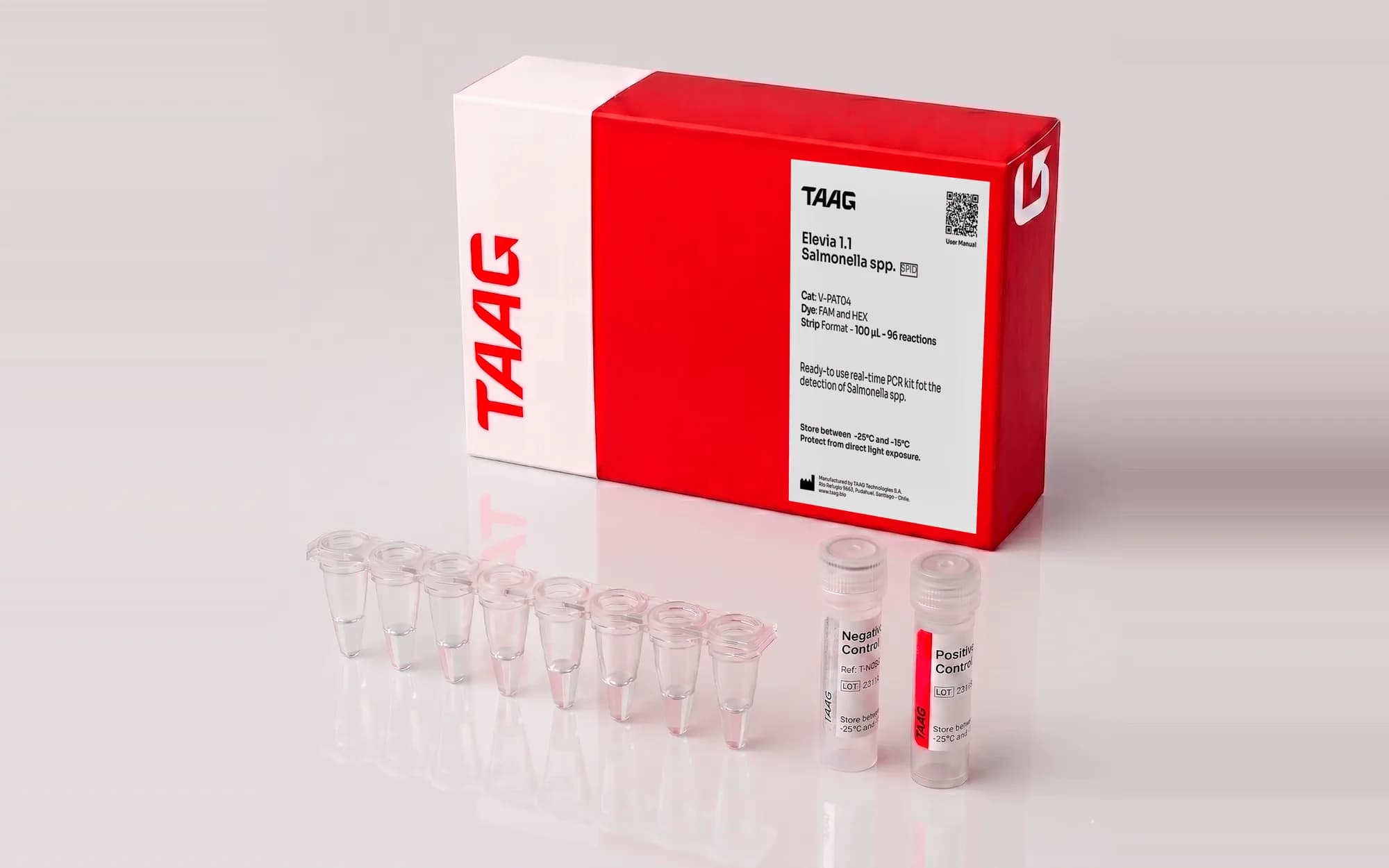
With your own lab: the kit
The assay ships as a ready-to-use multiplex PCR kit. It runs on standard real-time thermocyclers, with no proprietary instrument, so it drops into the laboratory you already have.
See the Elevia 1.1 kit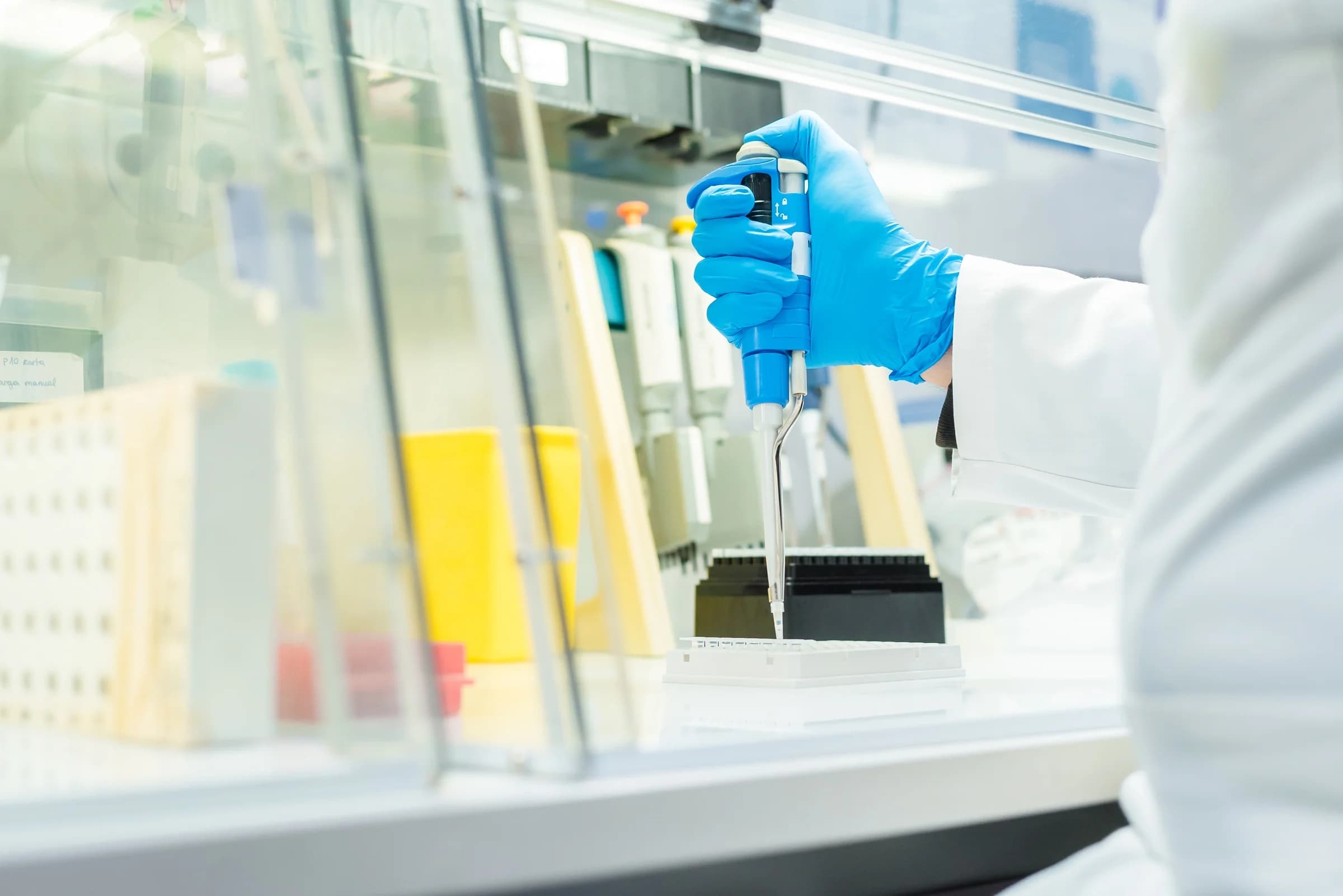
Without a lab: our network
If you have no laboratory of your own, you send the sample to TAAG's global network, ISO 17025 accredited, and get the result interpreted in TxA within the same turnaround.
See the laboratory services04.1 · Where we process
The network that runs the assay for you.
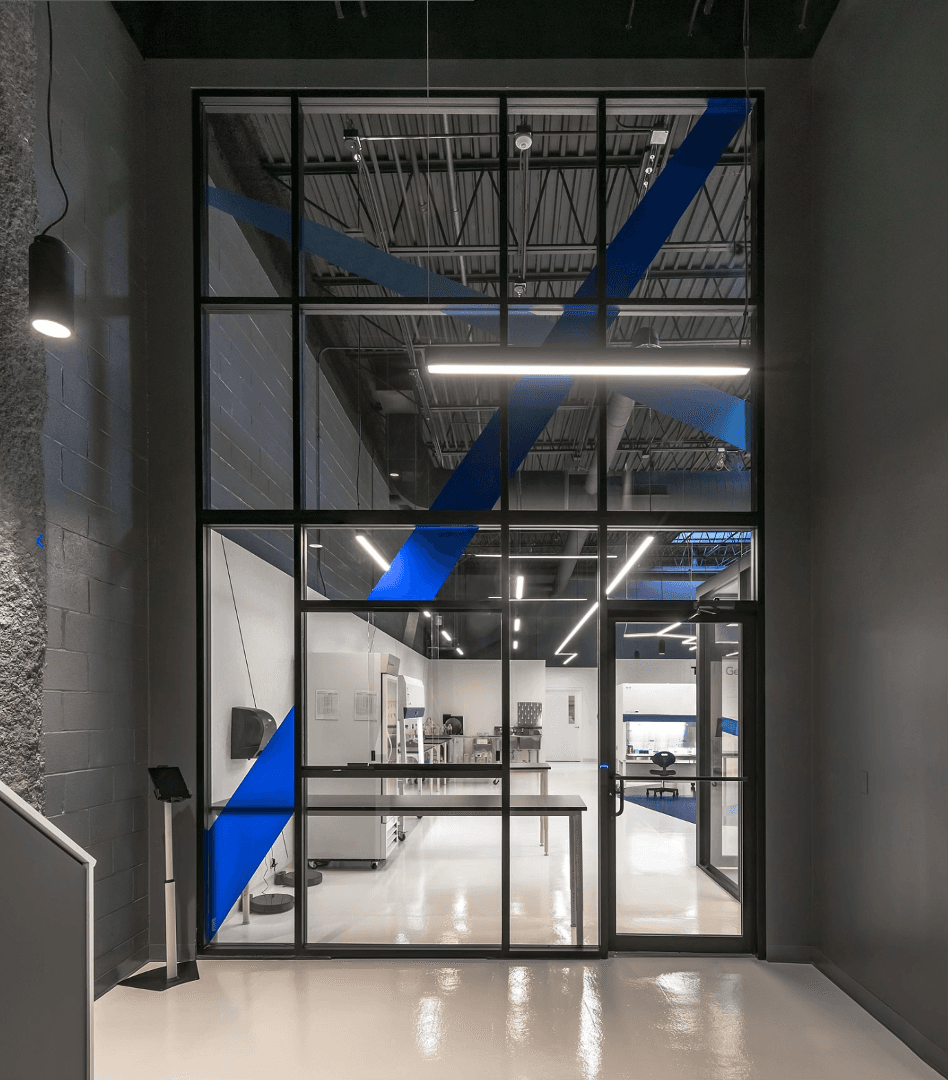
United States
Chicago
3710 Illinois Avenue, Unit A, St. Charles, IL.60174 United States
(630) 246-7777
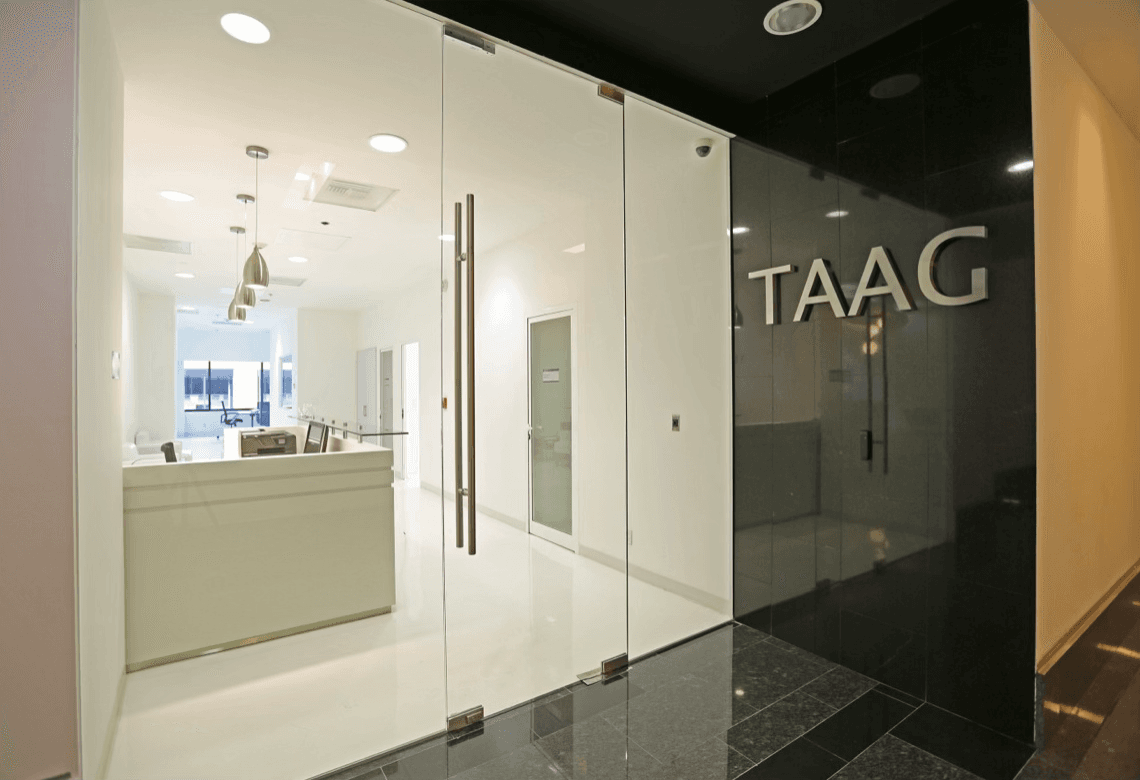
Mexico
Mexico City
Av. Coyoacán 1622. Colonia del Valle Sur. CDMX, México.
+52 55 52 003 250
Chile
Santiago
Belgium
Brussels
Talk to a specialist
Run the study on your own shrimp.
A 20-minute call is enough to define matrices, sampling points and which of the two routes — 8 h with Elevia 1.1 or 24 h with Ampliora 1.1 — fits your release schedule.