
Asia Pacific (Hong Kong)
OutbreakA Fourth Raw Oyster Foodborne Illness Outbreak in One Month Raises Alerts in Hong Kong
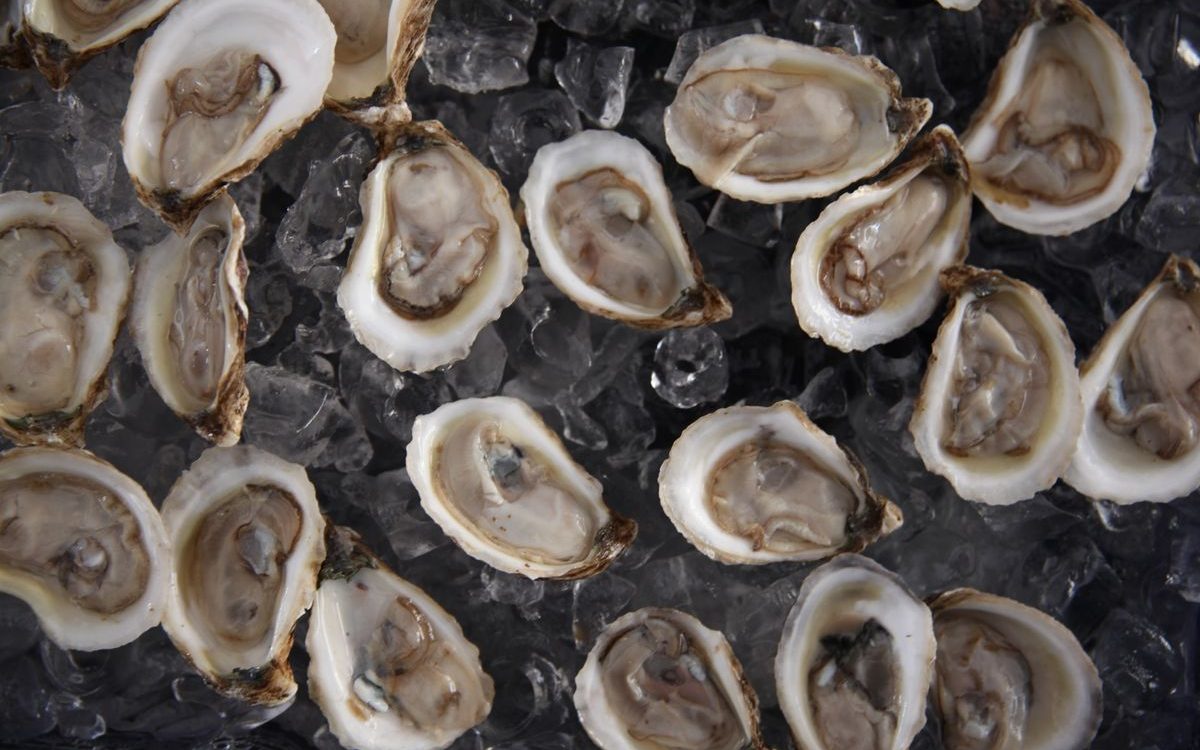
Hong Kong's Department of Health investigated in early February 2026 a fourth foodborne illness cluster linked to the consumption of raw oysters in less than a month, after six people between 29 and 35 years old became ill after dining at a restaurant in Kai Tak. The department head reported that in the three weeks prior, 37 foodborne illness cases had been reported, of which 33—affecting 101 people—were linked to norovirus. Weeks earlier, eight people had become ill after consuming seafood at a hotel, an event that prompted the hotel to remove seafood products from its restaurants.
That four distinct outbreaks, in establishments apparently unrelated to each other, coincide in the same type of product—raw oysters and seafood—over a period of just a few weeks describes a seasonal pattern rather than a series of isolated handling failures: norovirus concentrates in filter-feeding bivalve mollusks when cultured or purged water is contaminated with sewage, a risk that no individual restaurant can control at the point of service because the problem originates earlier, at the source of the product.
For TAAG, four foodborne illness outbreaks linked to raw oysters in one month, distributed among different establishments, is a signal that the problem does not lie in the final handling at the restaurant but in the microbiological quality of the cultured and purged water of the mollusk at its source, positioning the most effective control point not in the kitchen but with the seafood supplier and in the verification of each batch before it reaches any point of service.
You might be interested

North America / distribución internacional
CDC Investiga Brote de Salmonella Multirresistente con el Gen NDM-1 en Suplementos de Moringa

Europe (Unión Europea)
Brote Multipaís de Salmonella en Semillas de Alfalfa Germinadas Suma 109 Casos y Dos Muertes

Europe (European Union)
Cherry Tomato Outbreak Reaches 437 Cases Across 17 European Countries