
Europe (Belgium)
OutbreakHistoric epidemic of bacterial outbreak in farm eggs claims over 300 cases
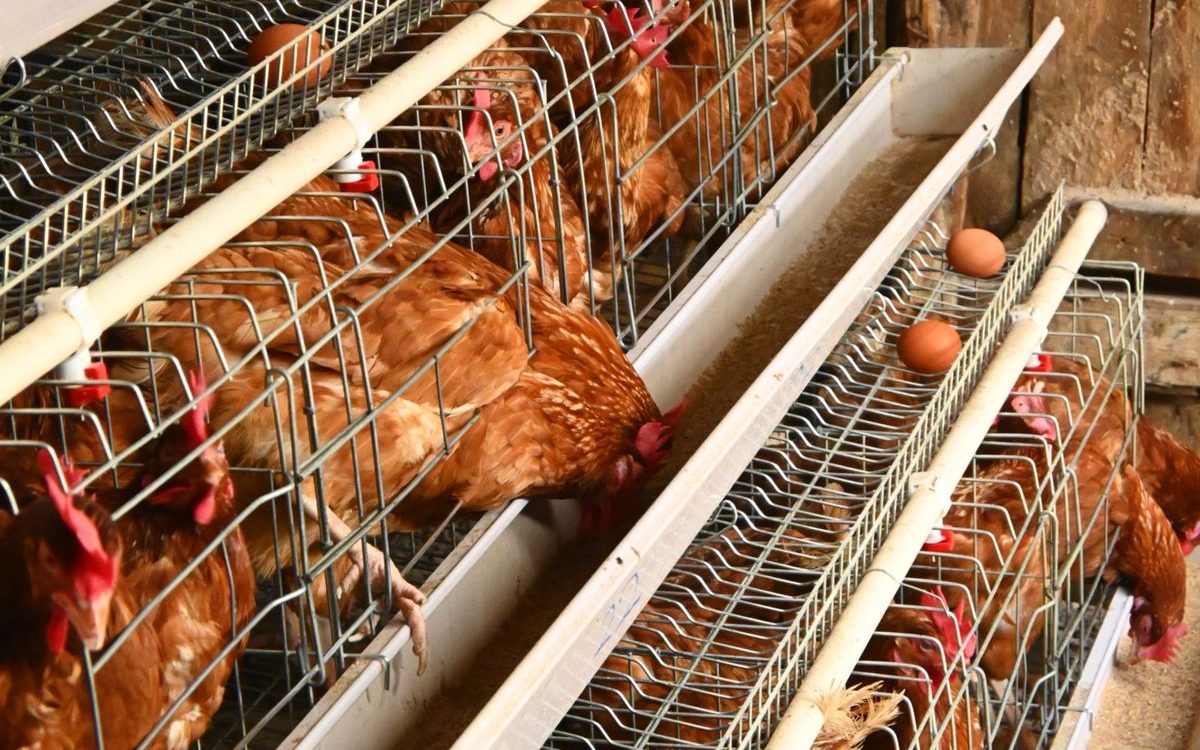
The Federal Agency for Food Chain Safety (AFSCA) of Belgium confirmed that the salmonella epidemic linked to eggs from a farm reached 312 people sick as of September 2, 2026, with six new cases detected that same week, in what public health authorities describe as the largest epidemic of this type documented in the country. The origin dates back to late April, when inspectors detected contamination in one henhouse of the farm and ordered a focused recall on May 11 of eggs with specific marking codes distributed in retail chains. The persistence of cases despite the initial recall led to new analysis that revealed a second contaminated henhouse, and on August 10 AFSCA ordered the total suspension of all operations of the establishment and the complete recall of all eggs produced at the site.
That contamination persisted for months after the first recall, until forcing a second much more drastic intervention, is the datum that weighs most from the control point of view: a focused recall on a single henhouse was not enough to contain the problem because the real source of bacterial contamination in the farm was not limited to that production unit. Eggs from free-range hens, without any treatment after laying, depend entirely on the bird producing them being free of the pathogen, and a persistent infection in the flock or in the henhouse environment can continue contaminating new clutches week after week even though each identified batch is recalled.
For food safety, the fact that a second focus of contamination appeared months after the first recall, forcing a total suspension of the site, confirms that microbiological monitoring of a poultry farm cannot be limited to the production unit where the first finding was detected: without systematic and recurring surveillance over all henhouses of the same establishment, a persistent pathogen can continue generating new cases long after the initial response is considered resolved.
Related TAAG solution
- Microorganism:
- Salmonella spp.
- Matrix:
- Huevo de gallina campera
- Related kit:
- Specio 1.1 Salmonella spp. (PCR en tiempo real con curva de melting - KAi)
Specio 1.1 detecta Salmonella spp. de forma amplia en alimentos, bebidas y superficies; la asociación es indirecta porque el huevo no figura como matriz explícitamente validada entre los kits del catálogo.
You might be interested

Europe (Bélgica)
Bélgica Confirma 236 Casos de Salmonella por Huevos e Impulsa Cambios Normativos

North America (Estados Unidos)
El Mayor Brote de Ciclosporiasis Registrado en EE. UU. Llega a 11.458 Casos en 20 Estados

North America (Estados Unidos)
La FDA Investiga un Brote de Salmonella Newport con 84 Casos y Sin Alimento Identificado