North America (Canada)
Food FraudCFIA Prevented the Sale of More Than 150,000 Kilos of Fraudulent Foods in Canada
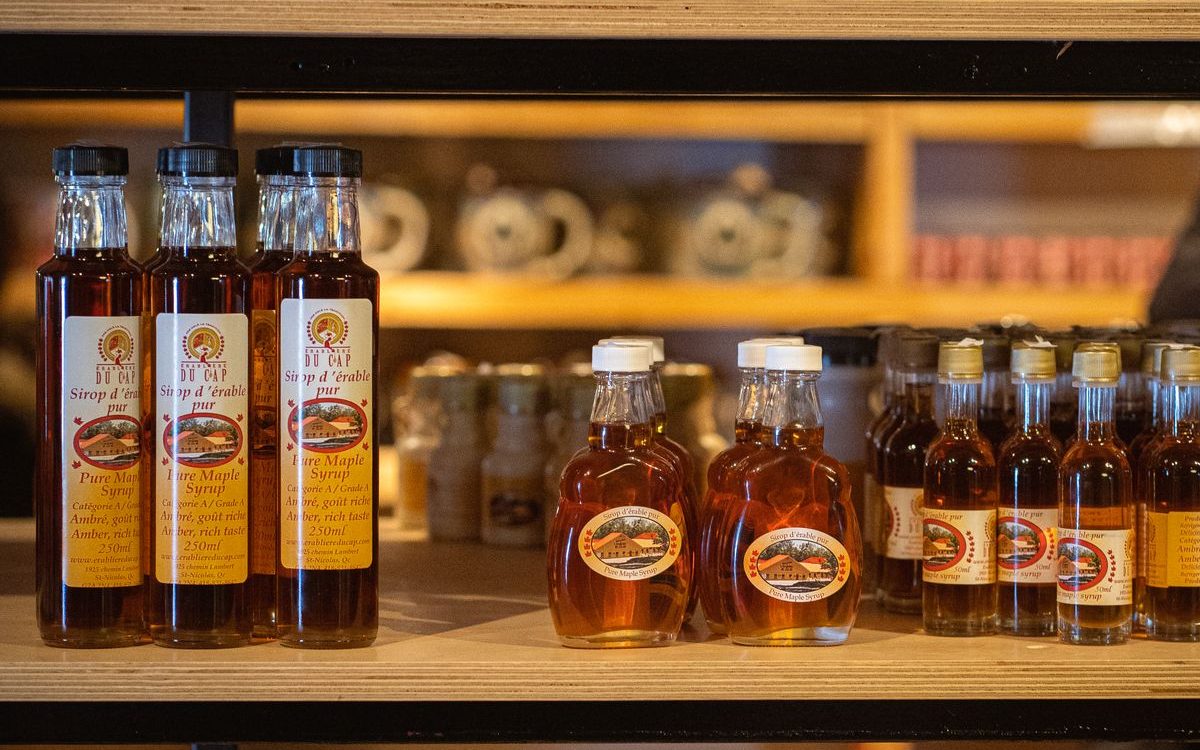
The Canadian Food Inspection Agency published its Annual Food Fraud Report 2024-2025, covering the period from April 1, 2024 to March 31, 2025, which tallied 886 food samples analyzed for authenticity and 362 labeling verifications. Enforcement actions—product removal, destruction, detention and relabeling—prevented the sale of more than 150,000 kilograms of misrepresented foods. The agency also issued 13 non-compliance letters, eight monetary administrative penalties totaling 60,000 Canadian dollars, and eight violation notices. Categories subjected to authenticity testing included fish, honey, maple syrup, meat, oils, hard grated cheese, tea and fruit juice.
Food fraud—species substitution, dilution of a premium product with a cheaper one, or labeling that does not match actual contents—is an authenticity risk and not necessarily microbiological contamination, but shares with the latter a fundamental requirement: verifying that what the label says corresponds to what the container actually contains. Honey, maple syrup, or grated cheese are recurring targets of this type of fraud precisely because their authenticity verification requires specialized analytical methods that are not part of routine quality control at most retail points.
For TAAG, although fraud through ingredient substitution or dilution falls outside the scope of pathogen microbiological detection, the report confirms that authenticity verification and safety surveillance are two layers of control that a mature food industry needs to maintain in parallel, with dedicated investment and methodology for each, rather than assuming one guarantees the other.
You might be interested