

Asia Pacific (Hong Kong)
Health AlertHong Kong Records 113 Foodborne Illness Outbreaks in 2025, Lowest Figure in a Decade
Hong Kong's Centre for Food Safety published its annual report on foodborne illness outbreaks linked to food establishments in March 2026, documenting 113 episodes reported by the Department of Health during 2025, affecting 649 people—the lowest figure in the past decade. Bacterial agents remained the primary cause of these outbreaks. Concurrently, the CFS food surveillance program analyzed approximately 6,600 samples during the year, with a conformance rate of 99.9% and only four unsatisfactory samples.
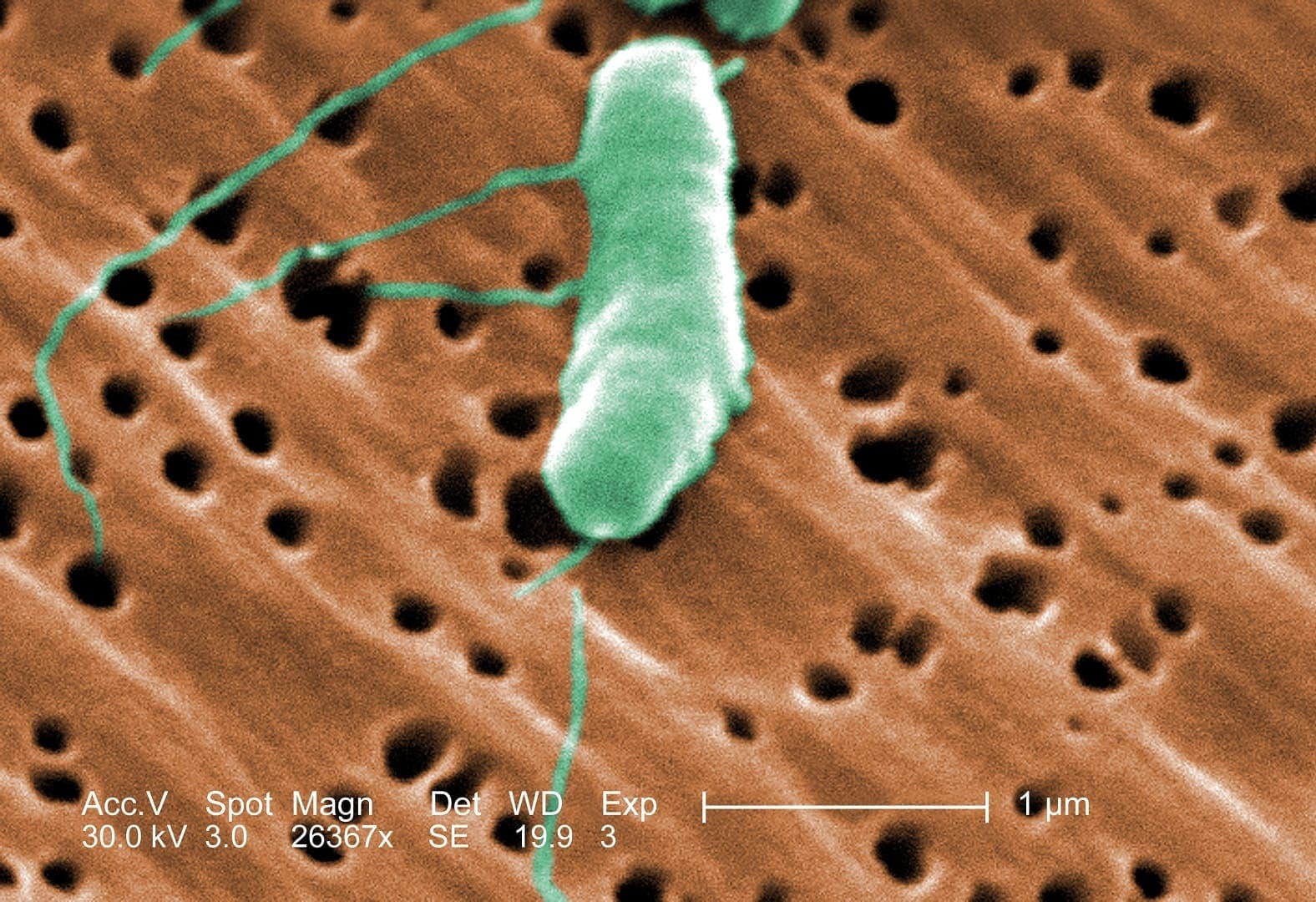
That the number of outbreaks reaches its lowest point in ten years, in a context where the conformance rate of samples remains equally high, suggests sustained improvement in food handling practices across the local food service industry. However, a declining figure does not eliminate structural risk: bacterial agents continue to be the dominant cause, meaning surveillance of pathogens such as Salmonella, Vibrio, or Campylobacter in food service chains remains the first line of defense, even in a favorable year.
For TAAG, a historically low outbreak figure is not a signal to relax monitoring, but rather confirmation that the same level of sustained surveillance—consistent sampling, bacterial agents as the priority focus—is what produces that result. Interrupting that surveillance on the assumption that the risk has already decreased permanently would be to misunderstand that the favorable trend is, precisely, the cumulative effect of maintaining active control year after year.
Related TAAG solution
- Microorganism:
- Salmonella spp., Vibrio spp. and other bacterial agents
- Related kit:
- Specio 1.1 Salmonella spp. (PCR en tiempo real con curva de melting - KAi)
Specio 1.1 detects Salmonella spp., one of the dominant bacterial agents cited in the report; the association is indirect because the report aggregates multiple pathogens and does not specify a single matrix.
You might be interested
North America (Costa del Golfo, EE. UU.)
Aumentan los Casos de Vibrio vulnificus en la Costa del Golfo de EE. UU. este Verano

Asia Pacific (Hong Kong)
Hong Kong Alerta por Aumento Estival de Infecciones Graves por Vibrio vulnificus
Latin America (Chile)
Chile Registra 1.563 Brotes de Enfermedades Transmitidas por Alimentos en 2025, la Cifra Más Alta en Cinco Años