
Europe (Ireland)
RegulationAnnual Report of Irish Authority Records 796 Food Incidents in 2024
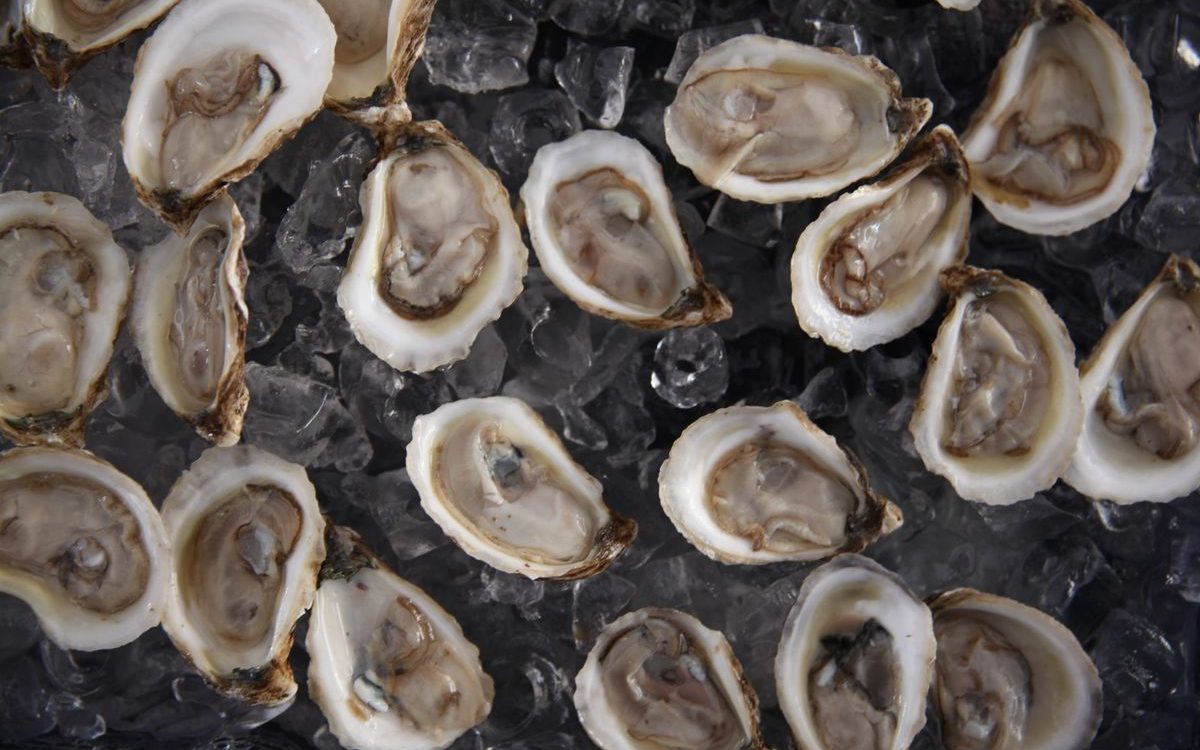
The Irish authority published in July 2025 its annual report for 2024, recording 796 food incidents managed by its response team, versus 733 in 2023, a year-on-year increase. Nearly 500 of those incidents were classified in the most serious category of the agency's system. Among the highlighted cases of the period, the report mentions a finding of Salmonella in duck eggs, a norovirus outbreak linked to oysters, and three distinct outbreaks of Shiga toxin-producing Escherichia coli (STEC), as well as a case of contamination with peanuts in mustard powder imported from outside through intermediaries.\n\nAn annual report that aggregates nearly 800 incidents of very different nature and origin—from a bacterial pathogen in an animal product to an undeclared allergen entering through an indirect import pathway—serves less as a catalog of isolated failures than as a radiograph of the variety of risks a national surveillance system must be prepared to detect in a single year. The year-on-year increase in incidents alone does not allow concluding that the country's food safety worsened: it may also reflect a more sensitive detection capacity or more frequent sampling.\n\nThe pattern revealed by this report—recurring outbreaks of Salmonella and STEC alongside incidents of other nature in a wide variety of matrices—confirms that no monitoring program can limit itself to a single pathogen or a single food category: national surveillance that aggregates nearly 800 distinct cases in a year is the reflection, at country scale, of what each individual plant must practice at the scale of its own production line.
You might be interested

Latin America (Chile)
Chile Actualiza su Reglamento Sanitario de los Alimentos con Foco en Trazabilidad
Latin America (Chile)
ACHIPIA Aprueba la Política Nacional de Inocuidad y Calidad Alimentaria de Chile para 2026-2036

Latin America (Chile)
Sernapesca Publica Nuevo Programa Sanitario Contra la Piscirickettsiosis en la Salmonicultura Chilena