
Europe (Switzerland)
RegulationThe Swiss 2025 zoonosis report confirms campylobacteriosis as the most reported foodborne infection
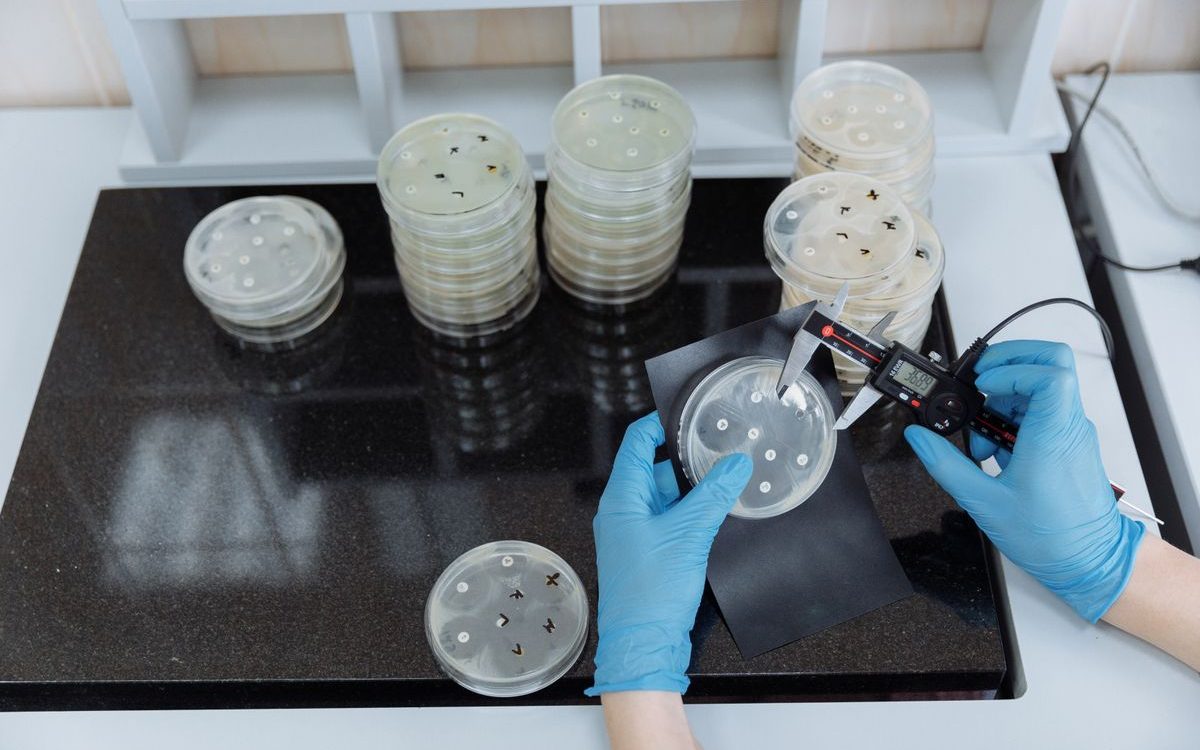
The food safety authority published on July 1, 2026 its annual report on surveillance of zoonoses and foodborne diseases corresponding to 2025. Campylobacteriosis again became the most reported human zoonosis in Switzerland, with 8,654 laboratory-confirmed cases, a slight increase from 8,269 cases the previous year. Salmonellosis remained the second most frequent infection, with 2,280 confirmed cases in 2025 versus 2,257 in 2024, equivalent to a rate of 25.1 new infections per 100,000 inhabitants. The report identified campylobacteriosis, salmonellosis and infection by Shiga toxin-producing E. coli as the three most frequent zoonoses in the country, a pattern consistent with other industrialized nations.
That both figures have remained practically stable compared to the previous year — with a variation of only 4.7% in campylobacteriosis and 1% in salmonellosis — suggests that Switzerland does not face acute deterioration in its food safety, but rather a structural endemic burden of both pathogens that epidemiological surveillance captures consistently year after year. Campylobacteriosis, transmitted mainly through undercooked poultry and cross-contamination in home kitchens, and salmonellosis, linked to eggs, meat and dairy products, share the characteristic of being underreported infections: laboratory-confirmed cases represent only a fraction of actual infections, since many people with mild symptoms never consult a physician.
A report that documents thousands of confirmed cases each year, with stable figures over time, confirms that campylobacteriosis and salmonellosis remain an unresolved problem in the food chain, and that the stability of official figures should not be interpreted as an absence of risk: it reflects the constancy of an exposure that microbiological monitoring in the plant is the only tool capable of reducing at source.
You might be interested
Europe (Unión Europea)
La UE Hace Obligatoria la Secuenciación Genómica en las Investigaciones de Brotes Alimentarios

Europe
15 Países de la UE Evalúan la Seguridad Microbiológica de Alimentos de Origen Vegetal
Europe (Germany)
The BVL Confirms Listeria Surpassed Salmonella as the Primary Cause of Recalls in Germany