
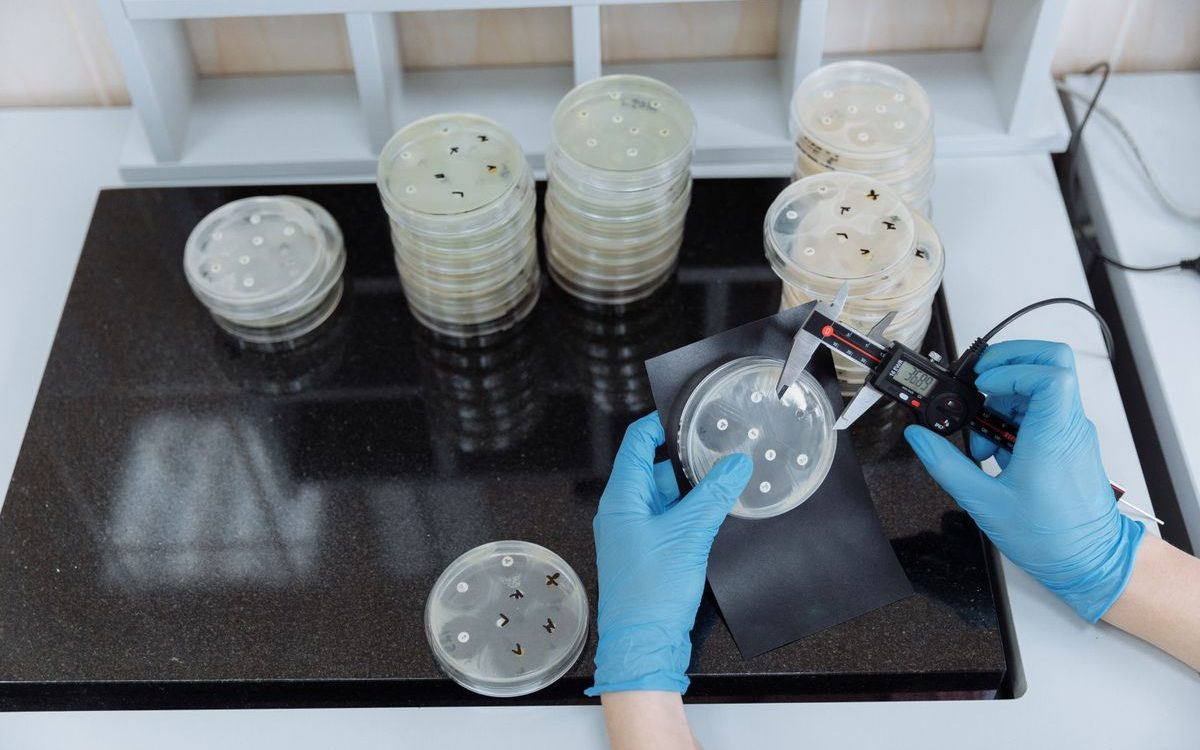
Europe (Belgium)
Health AlertBelgium Recorded 777 Collective Food Poisoning Cases in 2024, an Increase from Previous Year
The annual report from the Federal Agency for the Safety of the Food Chain (AFSCA) and public health institute Sciensano, published on May 1, 2025, recorded 777 collective food poisoning episodes in Belgium during 2024, compared to 722 in 2023, affecting 4,248 people with 205 hospitalizations. Seventeen percent of episodes occurred in the homes of those affected, and the groups identified as most vulnerable were older adults, small children, pregnant women, and immunocompromised individuals.
The most relevant data from the report is not the total number, but the proportion of cases where the causative agent was conclusively confirmed: in only a limited number of episodes did analyses manage to identify the same pathogen in both human and food samples, sufficiently to establish a firm laboratory link. In the majority of remaining situations, the investigation could only establish a probable epidemiological link —coincidence of symptoms, times, and consumption locations— without direct analytical confirmation, due to lack of available samples and delays in reporting the episode.
For TAAG, the gap between reported episodes and laboratory-confirmed cases precisely describes the structural problem that preventive microbiological monitoring seeks to avoid: when a food sample no longer exists when a outbreak is investigated, no detection technology —however fast or sensitive— can provide the evidence the investigation needs. The lesson for industry is that the ability to retain and analyze reference samples from each produced lot, sustained over time, is as determining for clarifying an outbreak as the quality of the analytical method itself.
Related TAAG solution
- Related kit:
- Specio 1.1 Salmonella spp. (PCR en tiempo real con curva de melting - KAi)
Specio 1.1 and the rest of the Specio line allow confirmation of Salmonella spp. and other pathogens in retained food samples, the evidence piece identified by the report as most scarce in outbreak investigations; the association is indirect because the report does not specify a unique pathogen or matrix.
You might be interested
North America (Costa del Golfo, EE. UU.)
Aumentan los Casos de Vibrio vulnificus en la Costa del Golfo de EE. UU. este Verano
Asia Pacific (Hong Kong)
Hong Kong Alerta por Aumento Estival de Infecciones Graves por Vibrio vulnificus
Latin America (Chile)
Chile Registra 1.563 Brotes de Enfermedades Transmitidas por Alimentos en 2025, la Cifra Más Alta en Cinco Años