Europe (United Kingdom)
Product RecallA Supermarket Chain Recalls Black Olives Over Listeria monocytogenes Risk
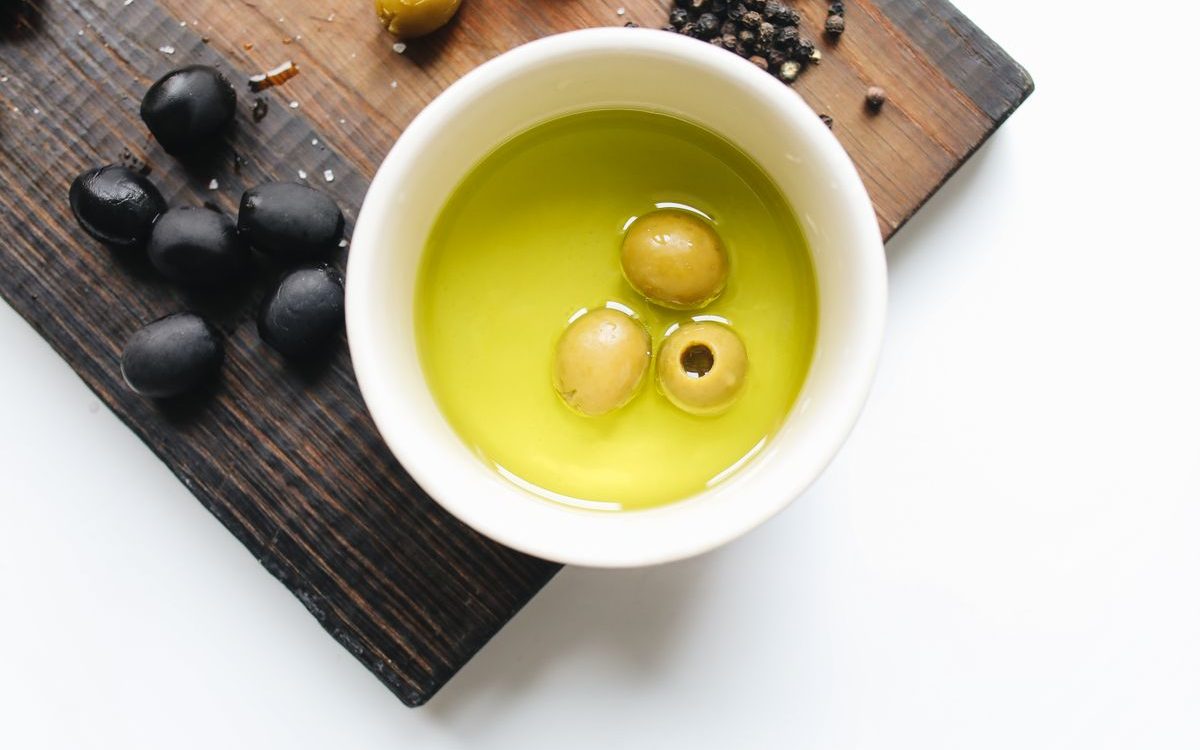
The British supermarket chain recalled from sale batches of its by Pitted Black Olives product in 120-gram packaging after routine controls detected possible Listeria monocytogenes contamination. The alert was limited to specific best-by dates and distributed through official food alert channels of the United Kingdom, with no confirmed illnesses linked to the batch at the time of recall.
Olives packaged in brine or oil, ready for consumption without further cooking, belong to a category of products where Listeria can survive and even proliferate slowly during refrigerated storage, especially if the packaging process does not achieve adequate control of pH or water activity of the final product. Unlike a heat-sterilized preserve, this type of product depends on the combination of salt, acidity, and refrigeration to remain stable throughout its shelf life, and any deviation in those parameters opens a window for pathogen growth.
The case adds to an active season of recalls for Listeria in ready-to-eat products in the United Kingdom, in a context of heightened regulatory sensitivity toward this food category following previous outbreaks linked to soft cheeses and prepared salads in the European market.
For TAAG, this recall confirms that fermented or brined ready-to-eat products—olives, pickles, non-sterilized canned vegetables—require Listeria verification as part of routine control, even when their acidity and salinity profile is traditionally assumed to be a sufficient barrier against bacterial growth.
Related TAAG solution
- Microorganism:
- Listeria monocytogenes
- Matrix:
- Aceitunas en salmuera / aceite
- Related kit:
- Ampliora 2.3 Listeria spp. and L. monocytogenes (PCR en tiempo real - Mila)
Ampliora 2.3 detecta Listeria spp. y L. monocytogenes en alimentos y bebidas de forma general; la asociación es indirecta porque las aceitunas envasadas no figuran como matriz explícita del kit.
You might be interested